
The SBA almost never hands you the money. If you’re asking what are SBA loans, here’s the short answer: they’re business loans from banks, credit unions, and other approved lenders, and the U.S. Small Business Administration (SBA), a federal agency, guarantees part of the loan. That guarantee protects the lender, not you. And it’s the reason some lenders say yes to businesses they’d otherwise turn down.
This post contains affiliate links. If you sign up through our links, we may earn a commission at no cost to you. Our recommendations are based on independent research and are never influenced by partners.
Key Takeaways
- An SBA loan comes from a lender, not the government. The SBA guarantees part of it.
- The guarantee lowers the lender’s risk. You still owe the full amount.
- The SBA doesn’t publish one minimum credit score. Each lender sets its own standards.
- Expect a personal guarantee, a paperwork-heavy process, and weeks of waiting.
- Check your credit reports and separate your business and personal finances before you apply.
What Are SBA Loans? The Short Answer
According to the SBA, its 7(a) program, its primary business loan program, “provides a loan guarantee to lenders.” The loans themselves are delivered by SBA 7(a) lenders. PNC’s guide to SBA loans says the guarantee exists to reduce lender risk and ease eligibility rules.
For you, that can mean more flexible underwriting (how a lender decides whether to approve you) or better terms than a conventional loan. Bank of America makes the same point in its SBA overview.
It does not mean the loans are easy to get. And it does not mean the government overlooks poor credit.
One quick note: SBA stands for Small Business Administration, not “Association.”
How an SBA Loan Actually Works
The flow is simple:
- A lender (a bank, credit union, or online lender approved by the SBA) reviews your application and decides whether to lend to you.
- If approved, the lender funds the loan and you repay the lender.
- The SBA guarantees part of the loan. If you default (stop paying), the SBA may repay the lender a portion of the loss.
Say a lender approves a $100,000 loan. If the business later fails, the lender recovers some of its loss from the SBA. That lowers the lender’s risk, which is why some lenders will approve borrowers they might otherwise decline.
The guarantee protects the lender, not you. You still owe the full amount.
How Much of the Loan the SBA Guarantees
Historically, the 7(a) guarantee has been up to 85% for loans of $150,000 or less and up to 75% for larger loans. Programs get adjusted from time to time, so confirm the current figures on the SBA’s 7(a) page before you rely on them.
What Are SBA Loans Used For? The Main Types
The SBA’s loans page lists the current lineup. These are the programs most small business owners hear about:
- 7(a) loans: The SBA calls this its primary program for long-term financing for a variety of purposes. Common uses include working capital (money for day-to-day operations), equipment, and buying a business. The maximum 7(a) loan amount has historically been $5 million.
- 504 loans: Generally for major fixed assets such as real estate or heavy equipment, and typically made through certified development companies.
- Microloans: Smaller loans made through nonprofit intermediary lenders, historically capped at $50,000.
- Disaster loans: Offered after declared disasters, with eligibility depending on the declaration.
Because programs and limits change, treat SBA.gov as the final word, not this article.
Who Qualifies for an SBA Loan?
The SBA sets baseline requirements, and each lender adds its own. The SBA does not publish a single minimum credit score that applies to every loan. Lenders decide how much weight to put on credit.
According to the SBA’s 7(a) eligibility guidance, the business generally must be a for-profit operation that meets the SBA’s size standards, operates in the U.S., and has invested its own equity. The SBA also expects that you can’t get financing on reasonable terms elsewhere.
In practice, lenders typically look at:
- Personal credit history. Late payments, collections, and high card balances matter.
- Business cash flow. Can the business show it can cover the payments?
- Time in business. Newer businesses often face a harder review.
- Collateral. Assets that can secure the loan.
- Documents. Personal and business tax returns, financial statements, a debt schedule, and a business plan or projections.
Personal Guarantees Put Your Own Assets on the Line
Expect to sign a personal guarantee. That’s a promise to repay the loan from your personal assets if the business can’t. Owners of 20% or more of the business are generally required to provide an unconditional personal guarantee.
If that applies to you, a default could hit your personal credit and assets, not just the business. It’s also why your business credit can affect your personal credit.
Where Credit Scores Fit In
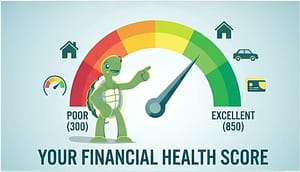
For smaller 7(a) loans, a minimum FICO Small Business Scoring Service (SBSS) score of 165, which blends personal and business data, was the national prescreen cutoff for 7(a) Small Loans ($350,000 or less) until the SBA eliminated the requirement effective March 1, 2026. Lenders now apply their own credit criteria along with a new 1.1x minimum debt service coverage ratio, though some may still use the SBSS voluntarily. Many lenders also pull the owner’s personal credit report directly. If you’re not sure how the business side works, our guide to the business credit score breaks it down.
If your personal score is in the 500s, a traditional SBA 7(a) approval may be a long shot right now. That’s not a reason to give up. It’s a reason to build a plan.
SBA Loan Rates, Fees, and Terms
The SBA doesn’t set your exact interest rate, but it caps how much lenders can charge on 7(a) loans. According to the SBA, rates are generally tied to a base rate (such as the prime rate) plus a lender markup, called a spread, within SBA maximums. Rates can be fixed or variable, and a variable rate can rise if the base rate rises.
Other costs to ask about:
- Guarantee fees: The SBA may charge fees on the guaranteed portion, often passed on to the borrower.
- Packaging or closing fees: Charged by some lenders.
- Prepayment penalties: Possible on some larger or longer loans.
Loan length depends on the purpose. Real estate loans can run up to 25 years, while equipment and working capital loans are typically shorter, often around 10 years. Longer terms mean smaller monthly payments but more total interest.
How Long Does an SBA Loan Take?
Longer than most people expect. Timing also depends on how quickly you provide documents and how the lender processes SBA paperwork.
Plan for weeks, not days. Apply well before you need the money.
Your Next Three Steps Before You Apply
Here’s what most articles won’t tell you: the best time to work on an SBA application is months before you submit it. These three steps are in order of priority.
1. Pull Your Credit Reports (Today, Free)
Get your personal credit reports at AnnualCreditReport.com, the free site authorized under federal law. Look for errors: accounts that aren’t yours, wrong balances, or late payments reported incorrectly. If you find one, dispute it directly with the credit bureau through its online dispute portal.
Under the Fair Credit Reporting Act (FCRA), bureaus must investigate disputes, generally within 30 days (15 U.S.C. § 1681i).
Timing: Correcting a genuine error can move a score within weeks of the bureau updating your file. Accurate negative items can’t legally be forced off a report early. According to the Consumer Financial Protection Bureau (CFPB), accurate negative information can generally stay on a report for up to seven years, though bankruptcies can stay longer. If you have an account in collections, read what to do when you have debt in collections.
2. Lower Your Reported Balances
Credit utilization is the share of your available credit you’re using. Say a card has a $1,000 limit and a $900 balance. That’s 90% utilization. Paying it down to $300 drops it to 30%. Lenders and scoring models generally view lower utilization more favorably.
Timing: This can show up within one or two billing cycles, since balances are typically reported monthly. Lower utilization doesn’t undo late payments, though. For the bigger picture, see how long it takes to build credit.
3. Separate and Build Your Business Credit
If your business shares your personal bank account, start separating them. A dedicated business checking account makes your cash flow easier to document, and lenders will want to see that. Novo is one online business checking option worth a look. Compare its fees and features against your current bank before you open anything.
You can also see what your business credit file looks like. Nav offers tools to view business credit information and explore financing options. Check what’s free and what costs money before you sign up. These are optional conveniences, not requirements. The free steps above matter more.
Timing: Business credit builds over months of on-time payments to vendors and lenders that report. Our 7 steps to build your business credit walk through how. Personal credit recovery from late payments and collections generally takes months to years, depending on what’s on your file.
Other Options While You Rebuild
If an SBA loan isn’t realistic yet, consider these:
- SBA microloans through nonprofit intermediaries, which often work with newer or smaller borrowers.
- Community development financial institutions (CDFIs), which focus on serving underserved borrowers.
- A secured card or credit-builder loan to strengthen your personal file first.
How to Avoid SBA Loan and Credit Repair Scams
- Nobody can remove accurate, timely negative information. The FCRA allows accurate items to stay for their legal reporting period, and the FTC warns against anyone who promises otherwise.
- Beware upfront fees. The FTC says credit repair companies generally can’t charge before performing services, under the Telemarketing Sales Rule.
- Never pay to “get” an SBA loan. Applications go through lenders, and the SBA’s Lender Match tool is free on SBA.gov.
- Be wary of anyone guaranteeing approval. No legitimate lender can.
SBA Loan FAQ
Does the SBA lend money directly?
For the 7(a) program, no. The SBA says it provides a guarantee to lenders, and the loans are delivered by SBA 7(a) lenders. Some SBA programs, such as disaster loans, work differently.
Can I get an SBA loan with bad credit?
Possibly, but it’s harder. Lenders review your credit, cash flow, and collateral. Microloan intermediaries and CDFI lenders may be more flexible than a bank.
Are SBA loans cheaper than other business loans?
They often can be, because the SBA caps lender spreads. But your actual cost depends on the rate, fees, and term. Compare the annual percentage rate and total cost across every offer.
Do I have to put up collateral?
Often lenders ask for it, and you’ll likely sign a personal guarantee. Ask each lender what it requires before you apply.
Your Next Step
Not sure an SBA loan is the right fit? Read our guide on how to get funding for your small business to compare your options side by side, then pull your credit reports before you talk to any lender.
Last updated: October 4, 2026
Disclaimer: The information in this article is for educational purposes only and does not constitute financial advice. Always consult with a qualified financial professional before making decisions about your credit or finances.