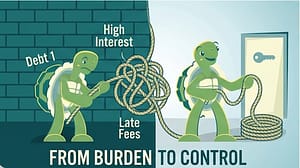

Lawsuits under the Fair Credit Reporting Act (FCRA) are up 43.8% through September 2026 compared with the same period in 2025, according to WebRecon, which tracks consumer litigation filings. Complaints to the Consumer Financial Protection Bureau (CFPB) are up 14.2% over the same stretch.
Here’s the short version: your rights haven’t changed. The FCRA still lets you dispute errors on your credit reports for free, and you only need to act if your report is wrong or a collector is giving you trouble.
Last updated: November 10, 2026
Key Takeaways
- WebRecon counts FCRA lawsuits up 43.8% year to date through September 2026. TCPA suits are up 13.4% and FDCPA suits up 7.2%.
- The CFPB says it received about 8.27 million consumer complaints between July 1, 2025 and June 30, 2026.
- The CFPB is supervising and enforcing more narrowly than before, according to its own report to Congress.
- Neither source explains why lawsuits are rising.
- If your credit report has an error, dispute it with the credit bureau first. That’s also required before a CFPB complaint.
FCRA Lawsuits Rising: What the Numbers Show
WebRecon’s September 2026 report, published October 22, compares filings so far this year with the same months of 2025:
- FCRA (credit reporting): up 43.8%
- TCPA (Telephone Consumer Protection Act, covering unwanted calls and texts): up 13.4%
- FDCPA (Fair Debt Collection Practices Act, covering debt collectors): up 7.2%
- CFPB complaints: up 14.2%
September alone was mixed. FCRA lawsuits rose 11.9% from August, while FDCPA suits fell 1.9%, TCPA suits fell 3.5% and CFPB complaints fell 2.4%. WebRecon counted 21,410 CFPB complaints in September and about 1,354 consumers suing under consumer protection laws that month.
Two details put the lawsuit number in context. WebRecon found that about 37% of the people who sued in September had filed suit before, and class actions made up just 0.9% of FCRA suits that month. Most FCRA cases, in other words, are individual consumers suing over their own reports.
What the CFPB Says About Its Own Changes
The CFPB’s semi-annual report to Congress for January to June 2026 describes a different agency from a few years ago:
- Complaints: The bureau received about 8,268,100 consumer complaints from July 1, 2025 to June 30, 2026. It says some users are misusing the complaint process, and it stopped publishing unverified complaint narratives.
- Supervision: Exams will be “conducted in a much more targeted manner,” focused on specific product lines and the laws that govern them.
- Enforcement: The bureau says it will bring cases rooted in clear statutory authority, and not cases involving “theoretical or highly speculative harm.”
The agency’s homepage also cites a Council of Economic Advisers estimate that the CFPB has cost consumers between $237 billion and $369 billion since 2011. That’s the current leadership’s framing of the agency’s record, not an independent audit.
Why Might FCRA Lawsuits Be Rising? (Analysis, Not Fact)
Neither WebRecon nor the CFPB says why filings are up. What follows is reasoning, not reporting.
When a credit report or collector gets something wrong, you can complain to a regulator or you can sue. The FCRA lets consumers sue for willful or negligent violations and recover damages, plus attorney’s fees in successful cases, under 15 U.S.C. § 1681n and § 1681o. Fee-shifting makes these cases workable for consumer attorneys. If people see a regulator as a less effective route, more of them may turn to court. Nobody has shown that’s what is happening, though.
Your Consumer Rights When FCRA Lawsuits Are Rising
Who’s affected
- People with credit report errors: wrong accounts, incorrect balances, mixed-up identities or outdated negative items. Your dispute rights are unchanged.
- People dealing with debt collectors: repeated calls, wrong amounts or contact the FDCPA restricts.
- People getting unwanted calls or texts: TCPA suits are up too.
Who isn’t affected
- Consumers with accurate reports and no collection problems. These numbers don’t change your loan terms or how your score is calculated.
- Anyone watching score model changes. That’s a separate story. See our guide to VantageScore vs FICO in mortgage lending.
How to Protect Your Rights Under the FCRA: 4 Steps
1. Check your reports
You can get free reports from Equifax, Experian and TransUnion every week at AnnualCreditReport.com, the official site. Look for accounts you don’t recognize, wrong payment histories and incorrect balances. New to reading a report? Our explainer on how credit reports and scores work walks through the basics.
2. Dispute with the credit bureau, in writing
Under 15 U.S.C. § 1681i, a credit bureau generally has 30 days to reinvestigate a dispute, extended by up to 15 days if you send more information during that window. Send disputes in writing, keep copies and include supporting documents. You can also dispute directly with the company that supplied the information.
3. For collectors, ask for validation and document everything
Under the FDCPA and the CFPB’s Regulation F, you can ask a collector for validation information about a debt. Save letters, voicemails and call logs. For a full walkthrough, read what to do when you have debt in collections.
4. Escalate if the dispute fails
According to the CFPB, if your complaint is about inaccurate information on your credit report, you’re required by law to dispute it directly with the credit bureau first. After that, you can file a complaint with the CFPB, which says most companies respond within 15 days. A complaint isn’t a lawsuit and doesn’t guarantee an outcome.
If you believe your rights were violated and you were harmed, talk with a licensed consumer-protection attorney or a legal aid group. Deadlines matter: under 15 U.S.C. § 1681p, an FCRA lawsuit generally must be filed by the earlier of two years after you discover the violation or five years after it happened.
What to Watch Next
- WebRecon’s October and November reports, to see whether the FCRA increase holds through year-end.
- The CFPB’s next semi-annual report and any further changes to its complaint process.
- Court decisions that change how FCRA claims proceed.
FAQ
Are FCRA lawsuits really up 43.8%?
That’s WebRecon’s year-to-date figure through September 2026, compared with the same months of 2025. It measures lawsuits filed, not how many people have credit report errors.
Does this mean my credit report is more likely to have errors?
Not necessarily. The numbers show more lawsuits and complaints, not a measured rise in error rates. Checking your reports regularly is a good habit either way.
Can I still file a CFPB complaint?
Yes. For a credit reporting error, dispute with the credit bureau first, as the CFPB requires. Then you can file at consumerfinance.gov/complaint.
Can I sue over a credit reporting error?
The FCRA allows lawsuits for willful or negligent violations. Whether you have a case depends on your facts, so talk with a licensed attorney.
Will this affect my credit score?
No. Scores come from the information in your credit reports, such as payment history and balances. Want to see where you stand? Check the average credit score in 2026.
Your Next Step
Pull your three reports this week and flag anything that looks wrong. If a collector is involved, start with our guide on what to do when you have debt in collections.
Sources: WebRecon, “WebRecon September 2026 Stats” (Oct. 22, 2026); Consumer Financial Protection Bureau, Semi-Annual Report, January 2026 – June 2026; consumerfinance.gov; Fair Credit Reporting Act, 15 U.S.C. § 1681 et seq.
Disclaimer: The information in this article is for educational purposes only and does not constitute financial advice. Always consult with a qualified financial professional before making decisions about your credit or finances.